
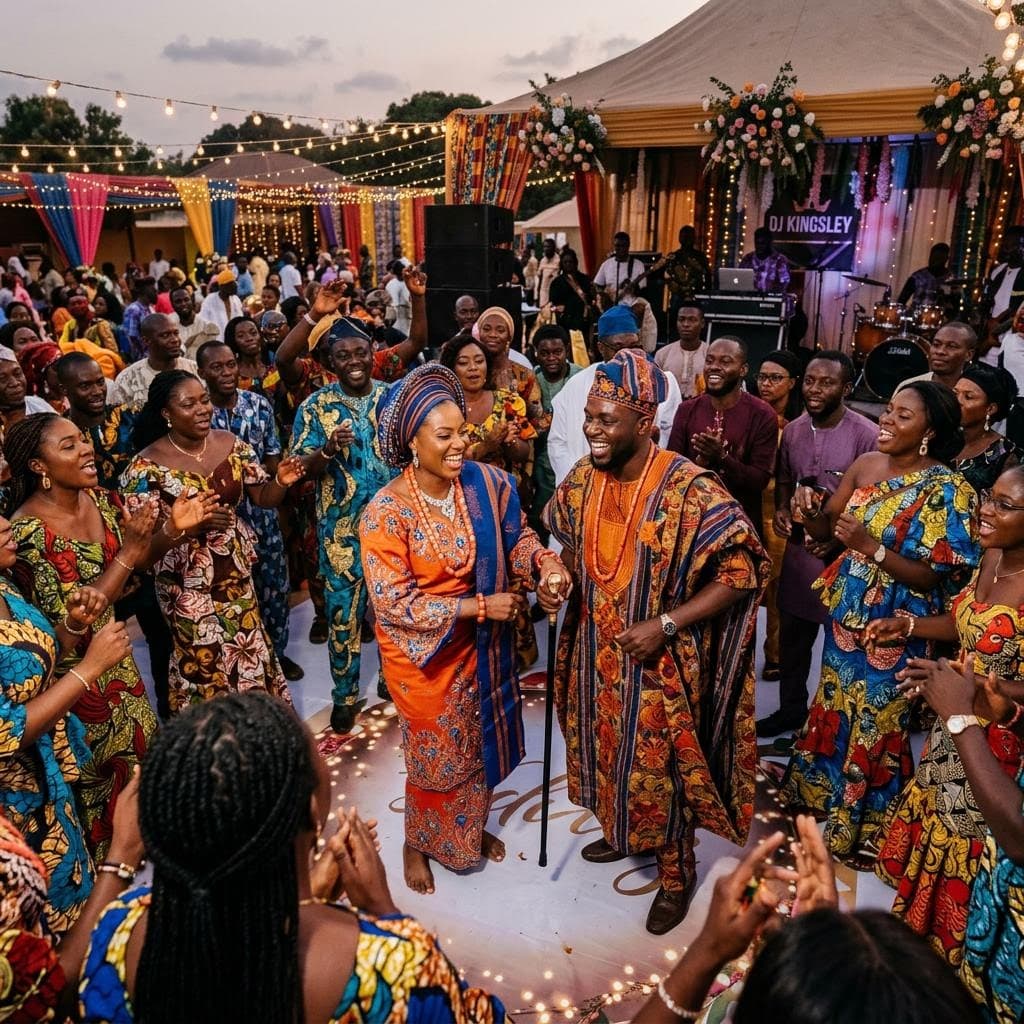
African wedding: traditions, outfits and tips for organizing it well
The African wedding is a family celebration rich in color, music and traditions. It can bring together several generations around a customary, civil, religious ceremony or a large reception.
There is, however, no single African tradition. The continent brings together many countries, peoples, languages and cultures. A Senegalese wedding, Ivorian wedding, Congolese wedding, Cameroonian wedding, Malian, Guinean, Ghanaian, Nigerian wedding, Ethiopian or South African wedding can follow very different customs.
In this article, the expression “African wedding” mainly refers to weddings from sub-Saharan African cultures, the Maghrebi wedding being covered in a separate category.
The official meeting of the families
In many families, an official meeting is organized before the wedding. It allows the relatives of the future spouses to get to know each other and to discuss the union project.
Depending on the culture, this meeting may be accompanied by gifts, drinks, fabrics, jewelry, symbolic products or other presents chosen by the families.
Discussions can specifically cover:
- the wedding date;
- the planned ceremonies;
- the traditions to be respected;
- the role of each family;
- the guest list;
- the organization of the meal;
- the outfits of the bride and groom.
The proceedings should never be generalized. Each couple should inquire with their parents and elders about the practices specific to their family.
The customary ceremony
The customary ceremony represents, for some families, an important stage of the union. It allows the future spouses to be officially presented and brings the two families together.
Its course varies according to the country, region and community. It may include:
- the arrival of the groom’s family;
- the presentation of the families;
- speeches;
- songs;
- gifts;
- symbolic gestures;
- the blessing of the elders;
- a meal or a reception.
Some couples organize the customary ceremony several weeks before the civil or religious wedding. Others combine several stages over the same weekend.
To prepare each stage in detail: African customary wedding: steps, dowry and organization of the ceremony
The dowry and customary gifts
In some cultures, families organize a presentation of gifts sometimes referred to as a “dowry.” Its meaning, composition and importance can vary considerably.
It may include clothing, jewelry, drinks, staples, symbolic objects or a contribution defined between the families.
This practice should not be reduced to a simple financial transaction. In many communities, it primarily represents the commitment of the families and their participation in the union.
The couple must discuss the procedure clearly with their relatives to avoid misunderstandings and to respect the choices of the future spouses.
The role of families and elders
Parents, uncles, aunts and elders can play an important role during the different ceremonies.
They may take part in:
- the presentation of the families;
- the speeches;
- the blessings;
- the transmission of traditions;
- the preparation of gifts;
- the welcoming of guests;
- the coordination of certain stages.
It is advisable to designate in advance the people responsible for speaking and to explain the day's program to them.
Families can participate in the organization, but final decisions should respect the wishes of the couple.
Traditional outfits
Outfits allow the bride and groom to represent their origins and their family heritage. Fabrics, colors, cuts and accessories can have particular meanings.
Depending on the cultures, the bride and groom may wear:
- a wrapper;
- bazin fabric;
- kente;
- wax prints;
- kitenge;
- a boubou;
- an agbada;
- a traditional dress or outfit;
- an outfit created especially for both families.
The couple may choose coordinated outfits or wear different outfits representing their respective countries.
It is also common to alternate between a traditional outfit, a white dress and a classic suit. To choose your fabrics and clothes, consult our guide to African wedding attire.
Family and wedding party outfits
Some families choose a common fabric or color in order to create coordinated outfits. This practice helps identify the relatives of the bride and groom and brings a strong visual unity to the ceremony.
The couple must communicate early enough:
- the chosen fabric;
- the colors;
- the available quantity;
- the deadline for tailoring;
- the desired level of formality.
It is preferable to allow some freedom in the choice of cuts so that each person can wear an outfit suited to their style and body shape.
The civil or religious ceremony
In addition to the customary ceremony, the couple may organize a civil or religious ceremony according to their beliefs.
The wedding can therefore include several parts:
- The customary ceremony.
- The civil ceremony.
- The religious ceremony.
- The reception.
- The family meal organized after the wedding.
These different stages can take place on the same day or be spread over several dates.
A precise schedule makes it easier to manage travel, outfit changes and expenses.
The meal at an African wedding
The meal should represent the origins of the bride and groom while being adapted to the number of guests.
Depending on the countries and families, the menu may offer:
- thieboudienne;
- mafe;
- chicken yassa;
- jollof rice;
- attiéké;
- alloco (fried plantain);
- ndolé;
- saka-saka;
- grilled meats;
- traditional sauces and side dishes;
- various regional specialties.
The couple can select a few emblematic dishes from both families or organize a buffet gathering several cuisines. A caterer familiar with the desired specialties will ease menu preparation.
It is essential to provide vegetarian options and to collect allergy information in advance. To compose your meal dish by dish, consult our guide to the African wedding menu.
Buffet or plated service?
The buffet allows for several specialties and offers more freedom to guests. However, it must be organized with multiple serving points to avoid long queues.
Plated service creates a more formal atmosphere and allows better control of the meal schedule. It requires enough servers to respect timing.
A mixed formula can include a cocktail or starters served buffet-style, followed by a main course served at the table.
The caterer must know the schedule of speeches, outfit changes and activities.
Music and dances
Music accompanies the arrival of the bride and groom, family presentations, the meal and the dances.
Depending on the origins and tastes of the couple, the programming can include:
- afrobeats;
- coupé-décalé;
- ndombolo;
- mbalax;
- makossa;
- highlife;
- zouglou;
- amapiano;
- traditional chants and percussion;
- French and international tracks.
The DJ must know the songs requested by both families and be able to bring several generations to the dance floor.
A list of important songs should be prepared for entrances, outfit changes, the first dance and the arrival of the cake.
Reception decoration
The decoration can echo the colors of the outfits, the fabrics and the cultural heritage of the couple.
It may include:
- printed fabrics;
- wooden or natural fiber elements;
- floral arrangements;
- baskets;
- handcrafted objects;
- bright colors;
- gold elements;
- a personalized photo backdrop.
It is preferable to choose a few specific references rather than mixing elements from many countries without a link to the families.
A modern decoration can perfectly incorporate traditional motifs in an elegant and discreet way.
The flow of the reception
A wedding bringing together several ceremonies and many guests requires a detailed program.
The schedule may include:
- Welcoming the guests.
- The presentation of the families.
- The entrance of the bride and groom.
- Speeches and blessings.
- The meal.
- Outfit changes.
- The dances.
- The activities.
- The arrival of the cake.
- The dance party.
One person should be responsible for communicating with the venue, the caterer, the DJ, the photographer and the family representatives.
How to organize an African wedding?
The first step is to determine the ceremonies and traditions the couple wishes to keep.
It is then recommended to:
- Define the budget.
- Prepare the guest list.
- Discuss with the families.
- Book the venue.
- Choose the caterer.
- Order the outfits and fabrics.
- Book the photographer, the videographer and the DJ.
- Prepare the sequence of ceremonies.
- Confirm the times with the providers.
- Appoint a coordinator for the wedding day.
When the future spouses come from different countries, the schedule should give balanced space to the traditions of both families.
Finding vendors for an African wedding
Choosing professionals who know the couple’s traditions can facilitate the coordination of ceremonies, outfits, the meal and the music.
On DreamWeds, you can search for venues, caterers, photographers, videographers, decorators, tailors, DJs and other professionals to organize an African wedding that matches your origins and your budget.
Frequently asked questions about the African wedding
Is there a tradition common to all African weddings?
No. Traditions vary considerably depending on the country, region, community and family.
Is the customary ceremony mandatory?
It depends on the beliefs and family traditions. Each couple can choose the ceremonies they wish to organize.
How many outfits should be planned?
There is no rule. The bride and groom can wear a single outfit or alternate between traditional clothes, a white dress and a suit.
Can the traditions of two countries be combined?
Yes. The couple can create a program that fairly represents the cultures of both families.
When should vendors be booked?
It is best to book the venue, the caterer, the photographer and the DJ several months in advance, especially during the high season.
DreamWeds
Find your dream vendors
Photographers, caterers, venues and much more — compare up to 4 vendors side by side.
Find vendors for my weddingArticles on the same topic
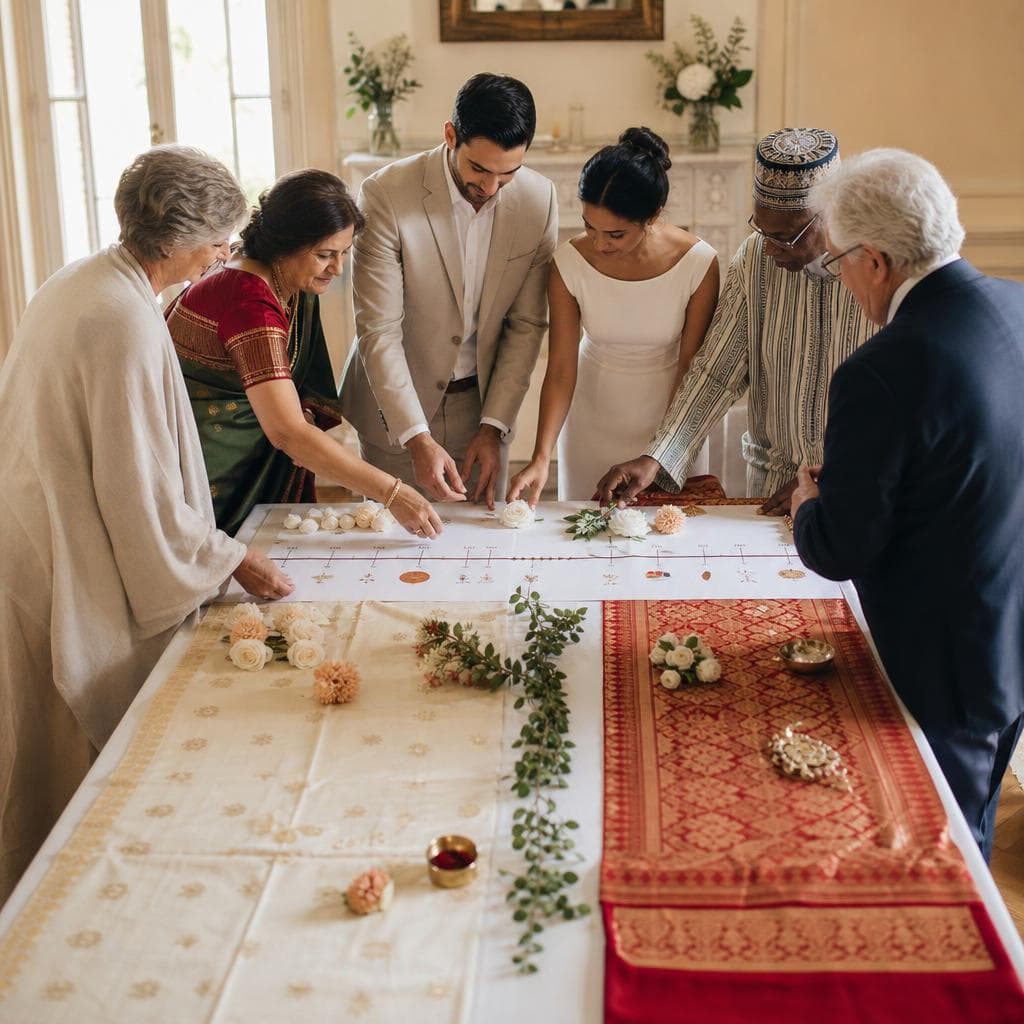
Organizing a Multicultural Wedding: Practical Tips
Blending two traditions, addressing guests from different cultures, and creating a ceremony that is meaningful for both families.
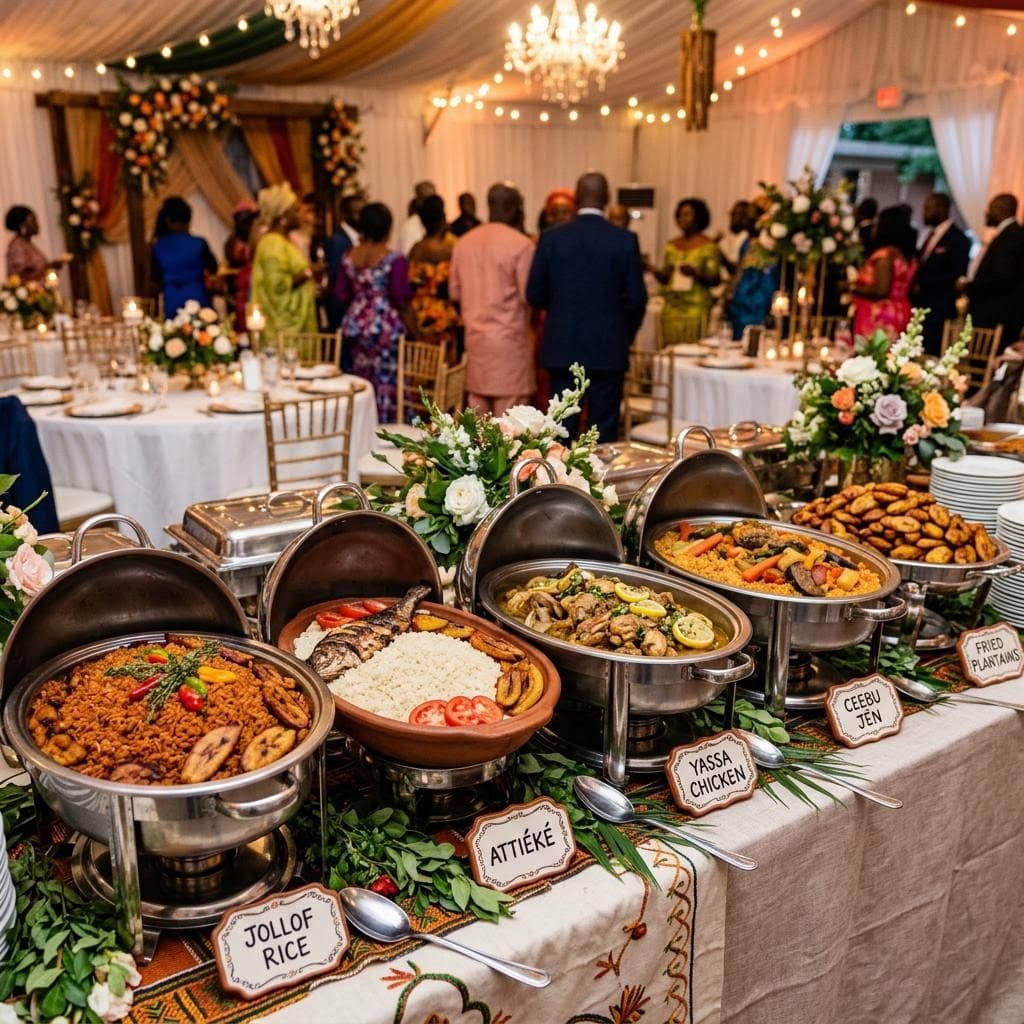
African wedding menu: dish ideas and tips for choosing your caterer
Ceebu jën, yassa, attiéké, ndolé or jollof: discover our African menu ideas and our tips for choosing your wedding caterer.
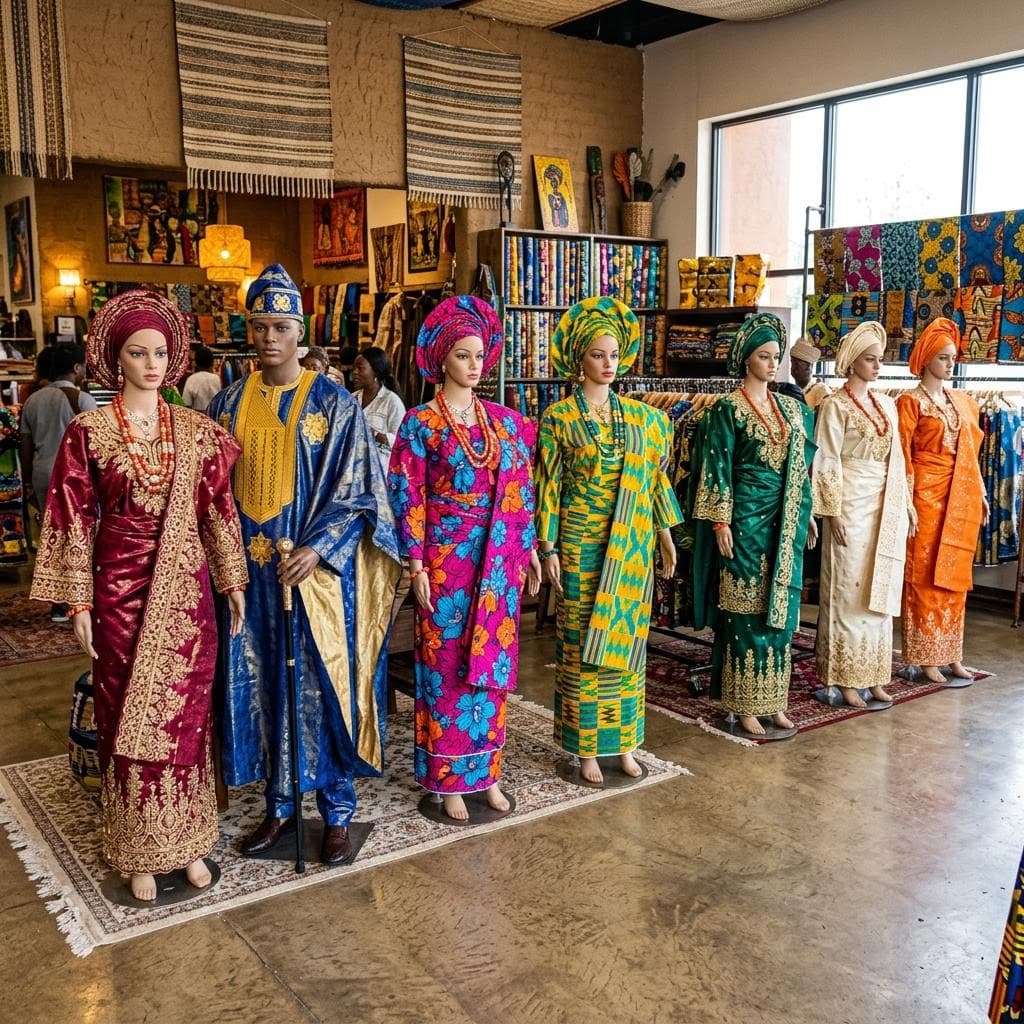
African wedding attire: pagne, bazin, kente and tips for choosing
Pagne, bazin, kente or aso oke: discover how to choose the bride and groom's outfits and coordinate families for an African wedding.