
Ivorian wedding: traditions, attire and ceremony proceedings
The Ivorian wedding is a family celebration mixing traditions, elegance, gastronomy and music. It can include a customary ceremony, a civil wedding, a religious ceremony and a large reception.
Customs differ according to regions, communities and families. A marriage baoulé, bété, sénoufo, agni, malinké, dioula or from another Ivorian community may follow a particular sequence.
The future spouses should therefore check with their relatives before choosing the traditions they wish to include. For an overview of the continent's traditions, consult our guide to African weddings; also discover our article dedicated to the Senegalese wedding.
Meeting of the families
An official meeting can be organized before the wedding to introduce the future spouses and their families.
It can take place at the parents' home or in a privatized space. Depending on family habits, it can be accompanied by drinks, fabrics, gifts and a meal.
This meeting also makes it possible to discuss:
- the date of the ceremony;
- the traditions to be respected;
- the list of gifts;
- the role of the representatives;
- the number of guests;
- the program of festivities.
The future spouses must participate in the discussions so that the organization respects their wishes.
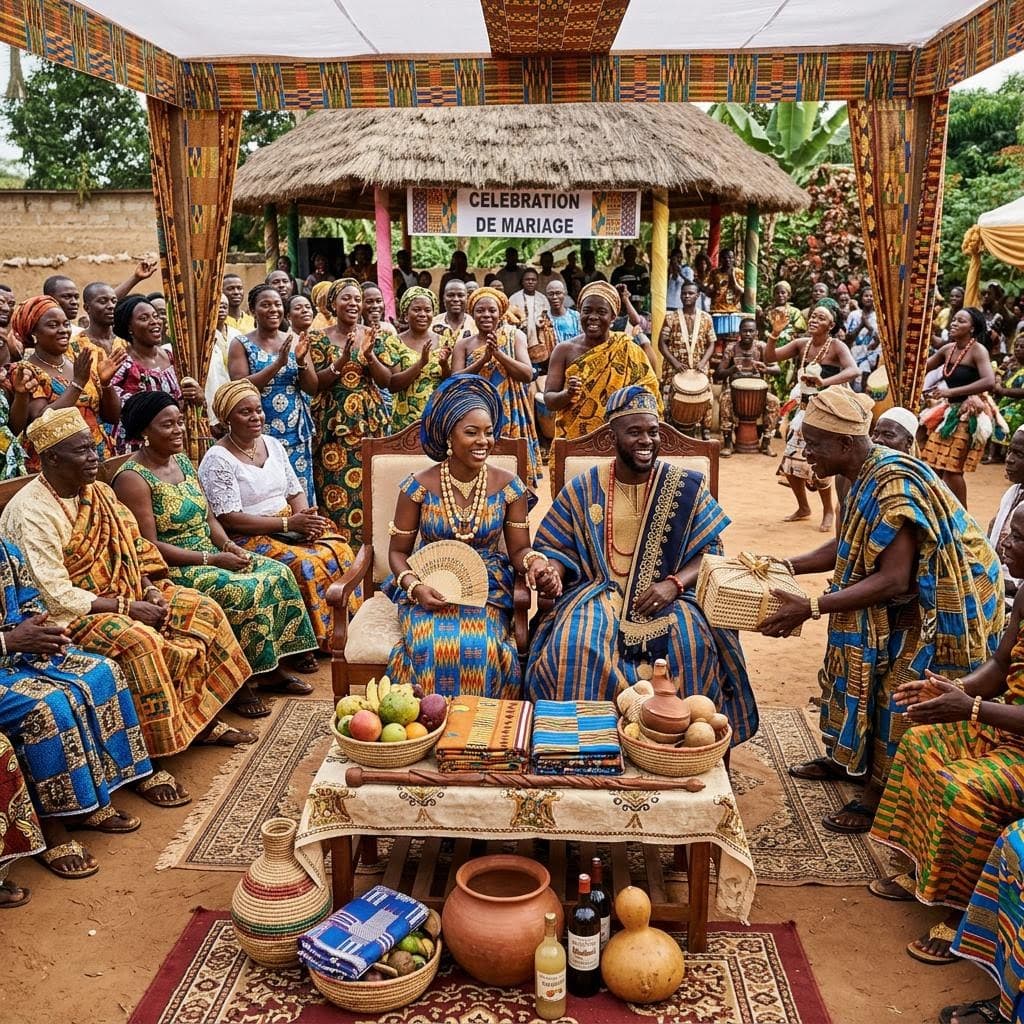
The customary Ivorian ceremony
The customary ceremony officially marks the joining of the two families. Its course depends on the community and the practices passed down between generations.
It can include:
- The arrival of the groom's family.
- The presentation of the representatives.
- The official request.
- The handing over of gifts.
- The presentation of the future spouses.
- The elders' advice.
- The families' blessing.
- The meal and dances.
A master of ceremonies or a relative can explain the different steps to the guests. To prepare this stage in detail, consult our guide to the African customary wedding.
Dowry and gifts
In some families, a list of gifts is provided before the ceremony. It may include fabrics, clothes, drinks, jewelry, foodstuffs or other symbolic items.
The contents vary greatly depending on the communities. You should not use a list found on the Internet without having it checked by representatives of both families.
The gifts can be prepared in baskets, boxes, trays or decorated suitcases.
One person must be responsible for checking, transporting and presenting each item during the ceremony.
The role of family representatives
The families' spokespeople can lead the exchanges and intervene during the presentation of the gifts.
They must know:
- the order of speeches;
- the names of the people being introduced;
- the meaning of the gifts;
- the symbolic gestures;
- the expected duration for each intervention.
It is advisable to limit the number of speeches so that the ceremony remains lively and the meal can start on time.
The bride's attire in an Ivorian wedding
The bride can wear a white dress, a pagne outfit, a lace ensemble, bazin or a creation inspired by her family heritage.
She may plan several outfits to represent different stages:
- the customary ceremony;
- the civil wedding;
- the religious ceremony;
- the reception;
- the evening party.
Fabrics can be adorned with embroidery, beads or matching accessories.
When several changes are planned, a private space and a person assigned to help the bride are necessary.
The groom's attire
The groom can wear a suit, a boubou, a pagne ensemble or a traditional outfit coordinated with the bride's.
Both outfits can use the same fabric or simply share common colors.
A full fitting with shoes and accessories makes it possible to check comfort before the ceremony.
The groom can also plan a lighter outfit for the dancing part.
Coordinated family fabrics
The families and close relatives can wear the same fabric or follow a color palette defined by the couple.
This coordination brings a strong visual identity to the reception and makes it possible to distinguish the two families.
The couple should communicate in advance:
- the chosen fabric;
- the colors;
- the available quantity;
- the possible price;
- the deadline for tailoring;
- the recommended accessories.
Each guest should be able to adapt the cut to their style and body shape.
The meal at an Ivorian wedding
The meal is one of the most eagerly awaited moments. The couple can offer a buffet combining several specialties or choose table service.
The menu may notably include:
- attiéké;
- alloco;
- grilled chicken or fish;
- kedjenou;
- foutou;
- placali;
- sauce graine;
- traditional sauces;
- rice;
- grilled items.
Attiéké is a semolina prepared from cassava and is a major specialty of Ivorian cuisine.
A tasting should be organized before the wedding with the caterer to check flavors, portions and presentation.
Buffet or table service?
The buffet makes it possible to offer several dishes and give guests more choices. For a large reception, several serving points are necessary to avoid long queues.
Table service creates a more formal atmosphere but requires enough staff.
A mixed formula can include appetizers served buffet-style, followed by a main course served at the table.
The choice depends on the number of guests, the program and the layout of the venue.
Drinks
The drinks buffet can offer:
- bissap;
- ginger juice;
- fruit juices;
- water;
- sodas;
- non-alcoholic cocktails;
- coffee or tea.
Drinks should be available throughout the reception, especially when the wedding takes place in summer.
A non-alcoholic cocktail bar can also be a popular entertainment feature.
Music and dances
Ivorian music offers many styles that create a festive atmosphere.
The playlist can include:
- coupé-décalé;
- zouglou;
- afrobeats;
- traditional music;
- percussion;
- French and international songs.
The DJ should know the preferences of both families and be able to get several generations dancing.
The couple must choose in advance the music for the entrance, outfit changes, the first dance and the cake arrival.
Entertainment
The couple can complement the music with various entertainments:
- dancers;
- percussionists;
- a traditional band;
- a singer;
- a family choreography;
- a photobooth;
- a video dedicated to the couple.
It is preferable to select a few well-prepared animations rather than overload the program.
Each participant must know their schedule and the exact duration of their performance.
Decoration
The decoration can echo the colors of the fabrics worn by the families.
It can include:
- pagne elements;
- flowers;
- baskets;
- artisanal objects;
- natural materials;
- golden accessories;
- a personalized sign;
- a photo area.
Decoration should highlight the couple's space, the tables and the entrance to the room.
It is advisable to leave enough space for entrances, dances and server movement.
Organizing an Ivorian wedding in France
Couples living in France can adapt traditions to the constraints of their venue and the availability of relatives.
They can notably:
- organize the customary ceremony on a different date;
- gather several ceremonies over the same weekend;
- involve relatives living in Côte d’Ivoire by video;
- plan a menu representing both families;
- explain the different traditions to guests;
- reserve accommodation for relatives coming from afar.
When several ceremonies are planned, each event should have its own budget.
Preparing the schedule
A precise program allows coordination of families and suppliers.
It can include:
- Guests' arrival.
- Entrance of family representatives.
- The customary ceremony.
- Speeches and blessings.
- The meal.
- Outfit changes.
- Entertainment.
- The first dance.
- The cake.
- The evening party.
The schedule should be communicated to the master of ceremonies, the DJ, the caterer, the photographer and the videographer.
Finding vendors for an Ivorian wedding
Professionals who know Ivorian traditions, cuisine and music will better meet the couple's expectations.
On DreamWeds, you can search for venues, caterers, photographers, videographers, tailors, decorators, DJ and other professionals to organize your Ivorian wedding.
Frequently asked questions about the Ivorian wedding
Do all Ivorian ceremonies follow the same traditions?
No. Practices vary according to regions, communities and families.
Is the dowry mandatory?
It depends on family traditions. Its contents and meaning should be discussed with the relatives concerned.
What attire should be chosen?
The couple can wear a pagne outfit, a boubou, a white dress, a suit or several clothes representing their origins.
What menu should be offered?
Attiéké, alloco, kedjenou, foutou and grilled items can be included on the menu according to the couple's tastes.
Can the customary ceremony and the reception be organized on the same day?
Yes, provided a precise schedule is planned and sufficient time is allowed for speeches, the meal and outfit changes.
DreamWeds
Find your dream vendors
Photographers, caterers, venues and much more — compare up to 4 vendors side by side.
Find vendors for my weddingArticles on the same topic
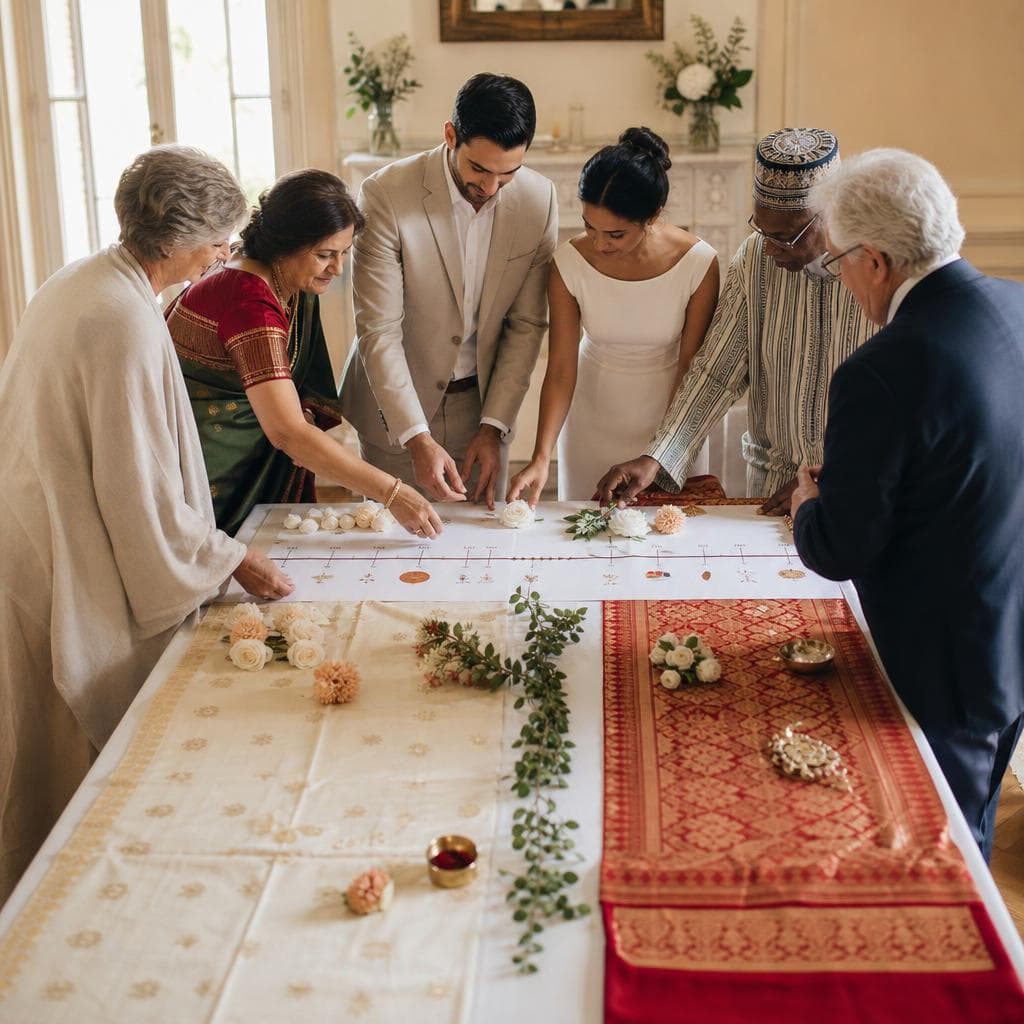
Organizing a Multicultural Wedding: Practical Tips
Blending two traditions, addressing guests from different cultures, and creating a ceremony that is meaningful for both families.
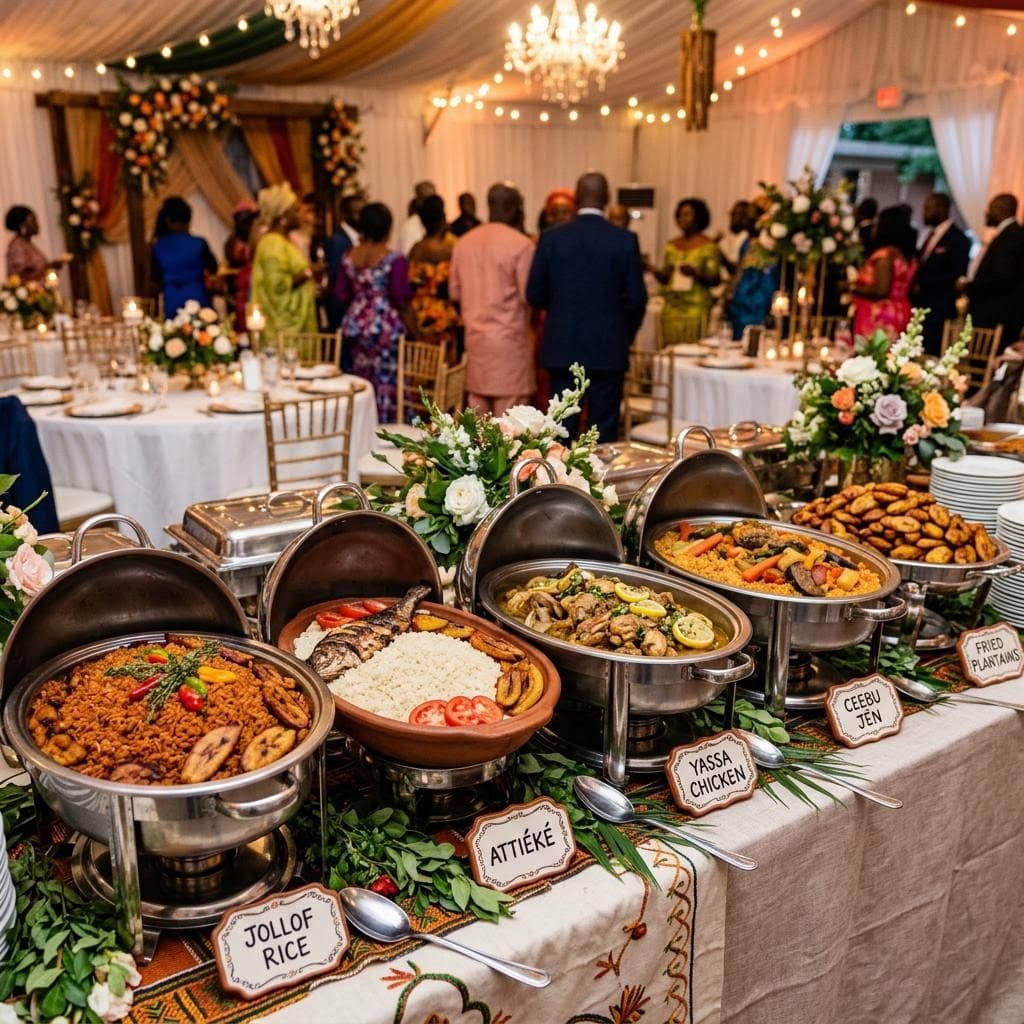
African wedding menu: dish ideas and tips for choosing your caterer
Ceebu jën, yassa, attiéké, ndolé or jollof: discover our African menu ideas and our tips for choosing your wedding caterer.
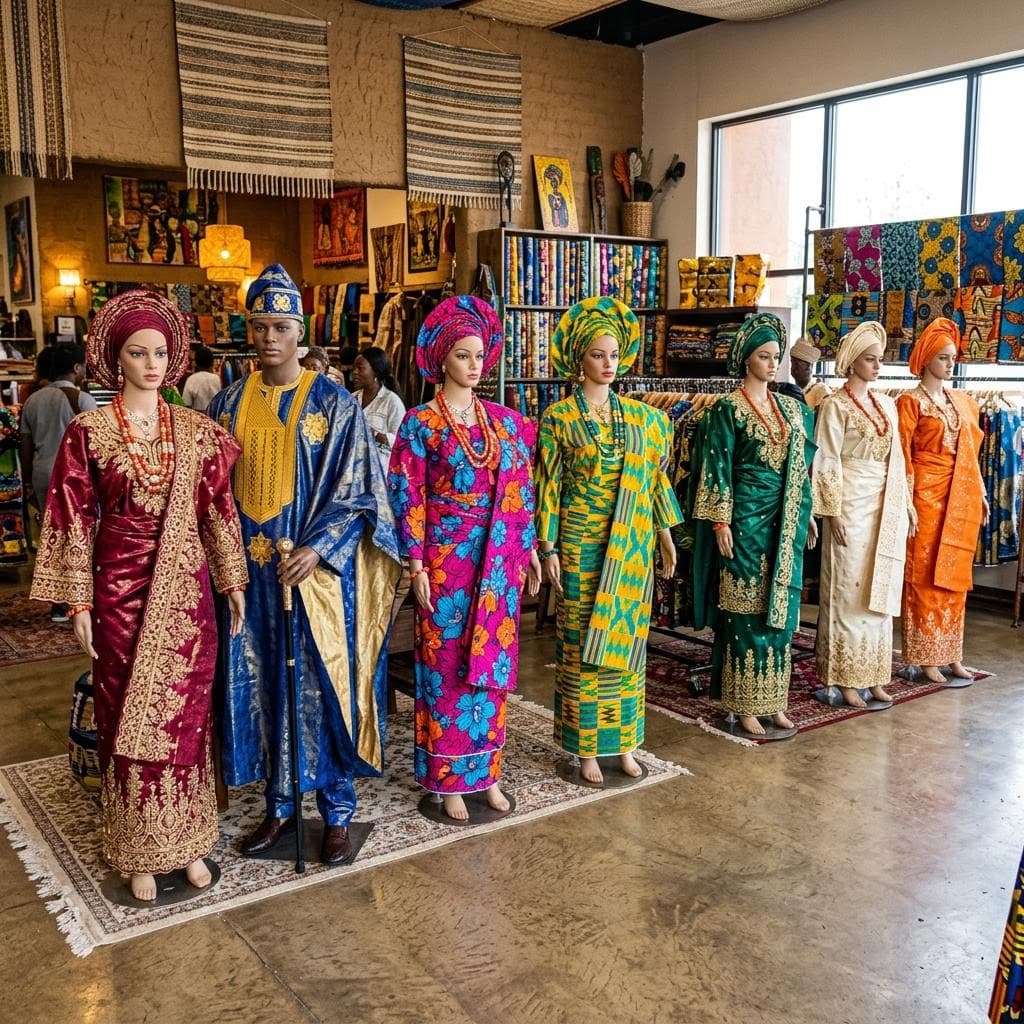
African wedding attire: pagne, bazin, kente and tips for choosing
Pagne, bazin, kente or aso oke: discover how to choose the bride and groom's outfits and coordinate families for an African wedding.