
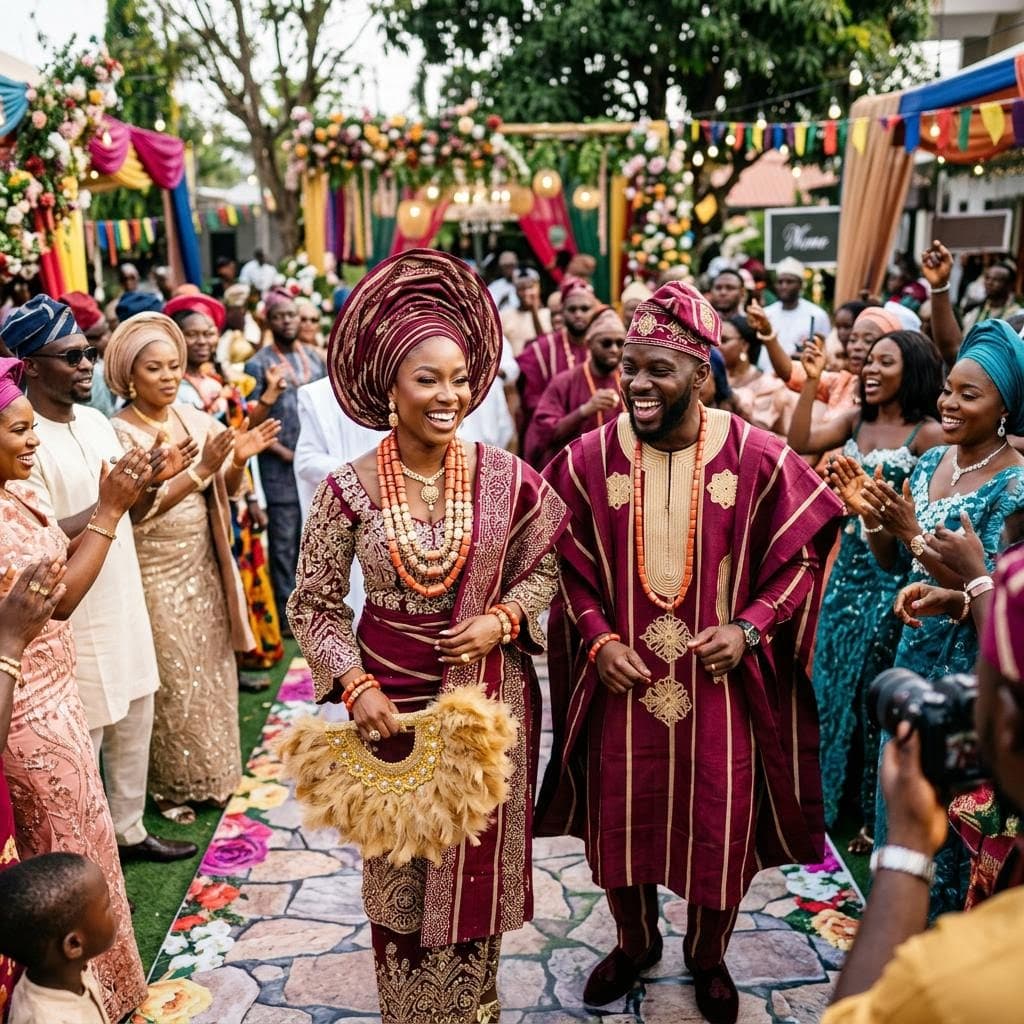
Nigerian wedding: Yoruba, Igbo and Hausa traditions
The Nigerian wedding is known for its spectacular outfits, vibrant colors, music and strong family participation.
However, there is not a single Nigerian tradition. Ceremonies can be very different depending on whether the couple are Yoruba, Igbo, Hausa or from another community.
The couple may organize a traditional ceremony, a civil wedding, a religious celebration and a large reception. These stages can take place on the same day or be spread over several dates. For an overview of traditions on the continent, consult our guide to the African wedding ; also discover our articles dedicated to Senegalese weddings, Ivorian, Congolese and Cameroonian.
The presentation of the families
An official meeting is generally organized so that the families can get to know each other and discuss the wedding plans.
Depending on traditions, it may include:
- speeches ;
- an official proposal ;
- the handing over of gifts ;
- drinks ;
- fabrics ;
- a meal ;
- the setting of a date.
Family representatives can also explain the different stages of the traditional ceremony.
The future bride and groom must take part in the discussions and check that the program matches their wishes.
The traditional Nigerian ceremony
The traditional ceremony celebrates the union according to the families' customs.
Its course may include:
- The arrival of the groom's family.
- The introduction of representatives.
- The entrance of the groom.
- The entrance of the bride.
- The handing over of gifts.
- Symbolic gestures.
- Family blessings.
- The meal and the party.
A master of ceremonies familiar with the culture concerned can explain the steps and coordinate the interventions. To prepare this stage in detail, consult our guide to the African customary wedding.
Traditions of a Yoruba wedding
At a Yoruba wedding, the ceremony can be led by a professional who knows the formulas, songs and the different traditional steps.
The groom may enter accompanied by his friends and show his respect to the bride's family according to family customs.
The bride then joins the ceremony in an outfit made of aso oke or another textile chosen for the event.
Families may exchange gifts and pronounce prayers or blessings.
Details vary according to cities, subgroups and relatives' habits.
Traditions of an Igbo wedding
In some Igbo families, the traditional ceremony includes the presentation of a drink or palm wine.
The bride may look for her future husband among the guests before presenting the drink to him. The gesture allows the couple to officially introduce themselves in front of the gathered families.
This stage is sometimes called the wine ceremony. Its exact course should be prepared with the elders who know the family tradition.
The reception may also include gifts, blessings, outfit changes and dances.
Traditions of a Hausa wedding
Hausa weddings can bring together several family and religious events. Their course depends on the beliefs and habits of each family.
A henna or preparation evening can be organized for the bride with her close friends and family.
Outfits, songs, meals and ceremonies can be spread over several days.
The couple must prepare the program with family representatives and the chosen religious leader.
Gifts and family presents
Depending on the communities, a list of gifts can be prepared before the ceremony.
It may include:
- clothing ;
- fabrics ;
- jewelry ;
- foodstuffs ;
- drinks ;
- symbolic products ;
- gifts intended for the parents.
The list must be confirmed by the family concerned. Yoruba, Igbo and Hausa traditions should not be mixed without relation to the couple's origins.
One person should be in charge of checking and presenting the gifts.
Aso ebi and coordinated outfits
Aso ebi refers to a fabric or a common outfit worn by a group of relatives during a ceremony.
The groom's and bride's families can choose different but complementary colors.
The couple must communicate:
- the chosen fabric ;
- the colors ;
- any price ;
- the quantity available ;
- the deadline for tailoring ;
- the recommended accessories.
This coordination creates a strong visual unity and makes it possible to identify the different family groups.
Each guest must nevertheless be able to choose a cut suited to their style and body shape.
The Nigerian bride's outfit
The bride may wear an outfit in aso oke, lace, ankara or another textile chosen with her family.
Depending on the culture represented, her outfit can be accompanied by:
- a gele or another headpiece ;
- jewelry ;
- beads ;
- a fan ;
- a shawl ;
- coordinated accessories.
She may then change into a white dress or a second outfit intended for the dance evening.
The different accessories must be prepared and labeled before the wedding.
The Nigerian groom's outfit
The Yoruba groom may notably wear an agbada accompanied by a matching headpiece. In an Igbo family, he may choose an outfit representing his heritage, sometimes accompanied by accessories or a traditional headdress.
Styles vary according to communities. The groom may also wear a suit during the civil or religious ceremony.
The colors of his outfit can be coordinated with those of the bride and the wedding party.
The meal at a Nigerian wedding
The meal can be presented as a buffet to offer several specialties.
The menu may notably include:
- jollof rice ;
- fried rice ;
- chicken ;
- fish ;
- suya ;
- moi-moi ;
- pepper soup ;
- small chops ;
- plantains ;
- various regional sauces.
Dishes should be selected according to the origins and preferences of both families.
It is recommended to organize a tasting with the caterer and to provide vegetarian options.
Drinks
The buffet can offer:
- water ;
- fruit juices ;
- bissap ;
- ginger juice ;
- sodas ;
- non-alcoholic cocktails ;
- tea or coffee.
Drinks should be available throughout the reception.
For a large ceremony, several bars or service points can limit queues.
Nigerian music
Music strongly contributes to the wedding atmosphere.
The programming can include:
- afrobeats ;
- highlife ;
- juju ;
- fuji ;
- traditional songs ;
- gospel music depending on the ceremony ;
- French and international tracks.
The couple can hire a DJ, a live band, percussionists or several types of entertainment.
Entrance songs, first dance, outfit change tracks and cake arrival songs must be provided in advance.
Entertainment
The couple may plan:
- a music group ;
- dancers ;
- percussionists ;
- a family choreography ;
- a photobooth ;
- a video dedicated to the couple ;
- a master of ceremonies.
A Nigerian wedding can include many entrances and interventions. It is therefore essential to limit the duration of each animation.
The master of ceremonies must communicate with the DJ, the caterer and the photographer.
Decoration
The decoration can reprise the colors of the aso ebi and the outfits of the bride and groom.
It may include:
- fabrics ;
- flowers ;
- golden elements ;
- a stage area ;
- a personalized backdrop ;
- lights ;
- a photo corner ;
- the bride and groom's first names.
The entrances of the couple and the families should have enough space.
The decoration must not hinder the servers' circulation nor excessively reduce the dance floor.
Organizing a Nigerian wedding in France
Couples living in France can keep the main traditions while adapting the duration and number of ceremonies.
They can notably:
- organize the traditional ceremony and the reception on the same day ;
- spread events over a weekend ;
- involve relatives living in Nigeria by video ;
- provide a program explaining the traditions ;
- book accommodations for the family ;
- choose a caterer familiar with the desired dishes.
When the spouses come from different communities, each tradition should be presented clearly and fairly.
Preparing the schedule
The program may include:
- Welcoming guests.
- Entrance of the groom's family.
- Entrance of the bride's family.
- Presentation of the groom.
- Presentation of the bride.
- Gifts and blessings.
- The meal.
- Outfit changes.
- The first dance.
- The cake and the dance party.
The schedule must be given to the master of ceremonies, the families and all the vendors.
Finding vendors for a Nigerian wedding
Professionals familiar with Yoruba, Igbo or Hausa ceremonies will better anticipate entrances, outfits, meals and entertainment.
On DreamWeds, you can search for venues, caterers, photographers, videographers, tailors, decorators, DJ and other professionals to organize your Nigerian wedding.
Frequently asked questions about the Nigerian wedding
Are all Nigerian ceremonies identical?
No. Traditions vary greatly between the Yoruba, Igbo, Hausa communities and the other groups of Nigeria.
What is aso ebi?
It is a fabric or a common outfit worn by a group of relatives during the ceremony.
How many outfits should be planned?
There is no obligation. The couple can wear a single outfit or alternate between traditional clothes, a white dress and a suit.
What menu should be offered?
Jollof rice, suya, moi-moi, small chops and plantains can be included according to the families' preferences.
Should a specialized master of ceremonies be hired?
This is recommended when the ceremony includes formulas, songs or steps specific to a particular culture.
DreamWeds
Find your dream vendors
Photographers, caterers, venues and much more — compare up to 4 vendors side by side.
Find vendors for my weddingArticles on the same topic
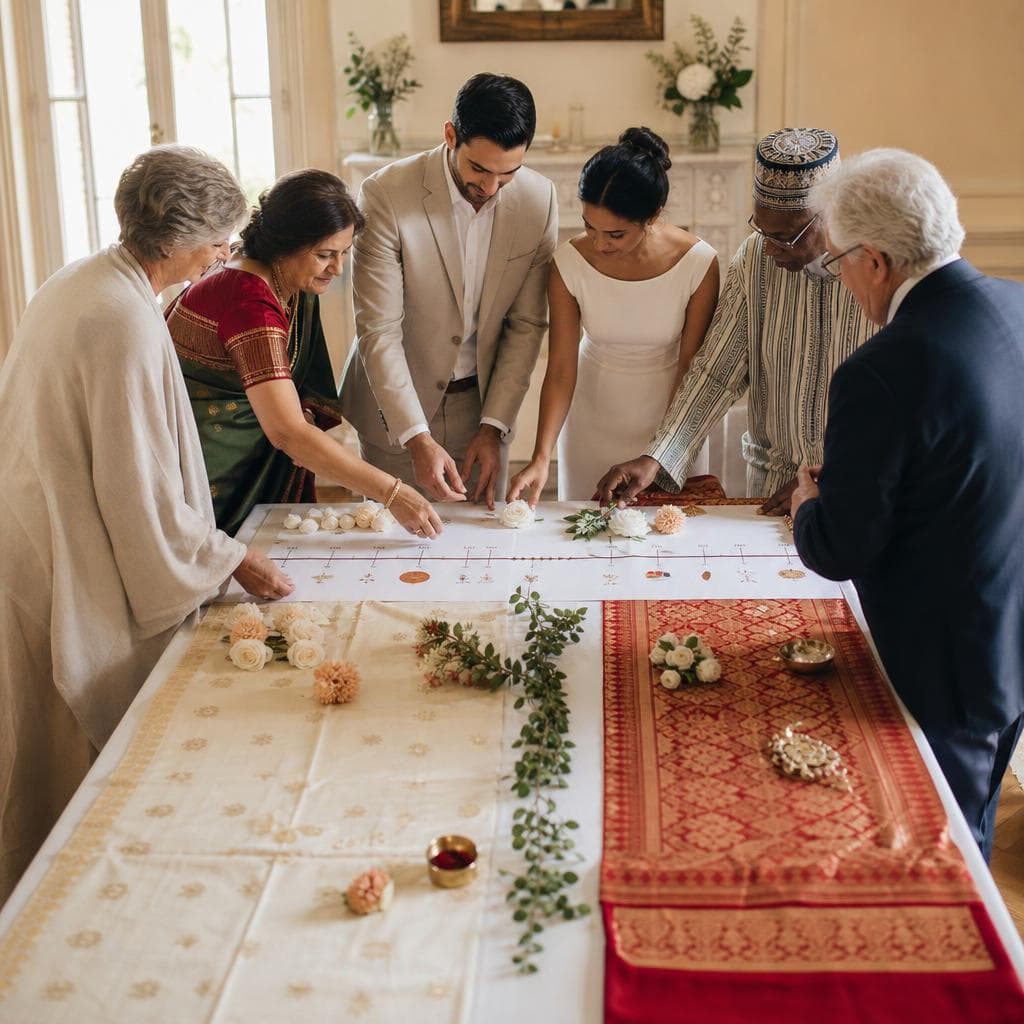
Organizing a Multicultural Wedding: Practical Tips
Blending two traditions, addressing guests from different cultures, and creating a ceremony that is meaningful for both families.
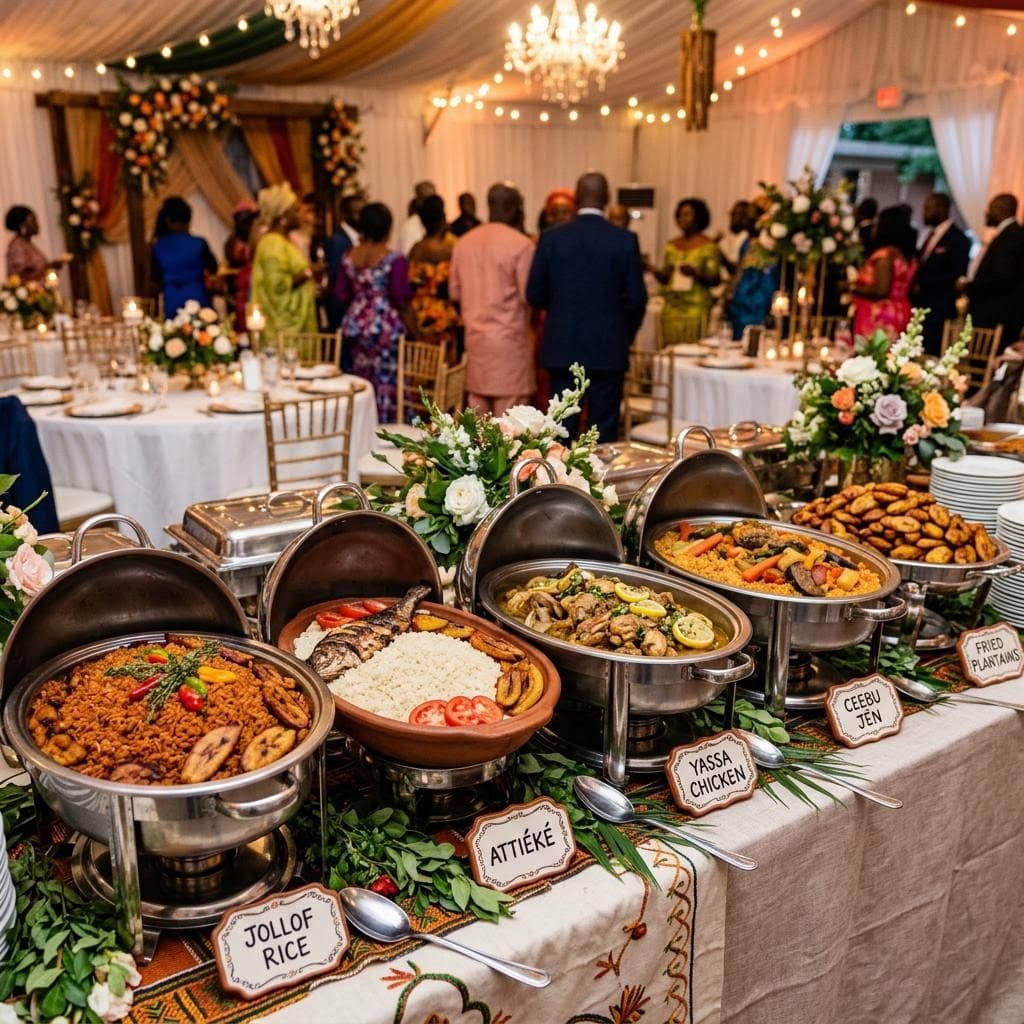
African wedding menu: dish ideas and tips for choosing your caterer
Ceebu jën, yassa, attiéké, ndolé or jollof: discover our African menu ideas and our tips for choosing your wedding caterer.
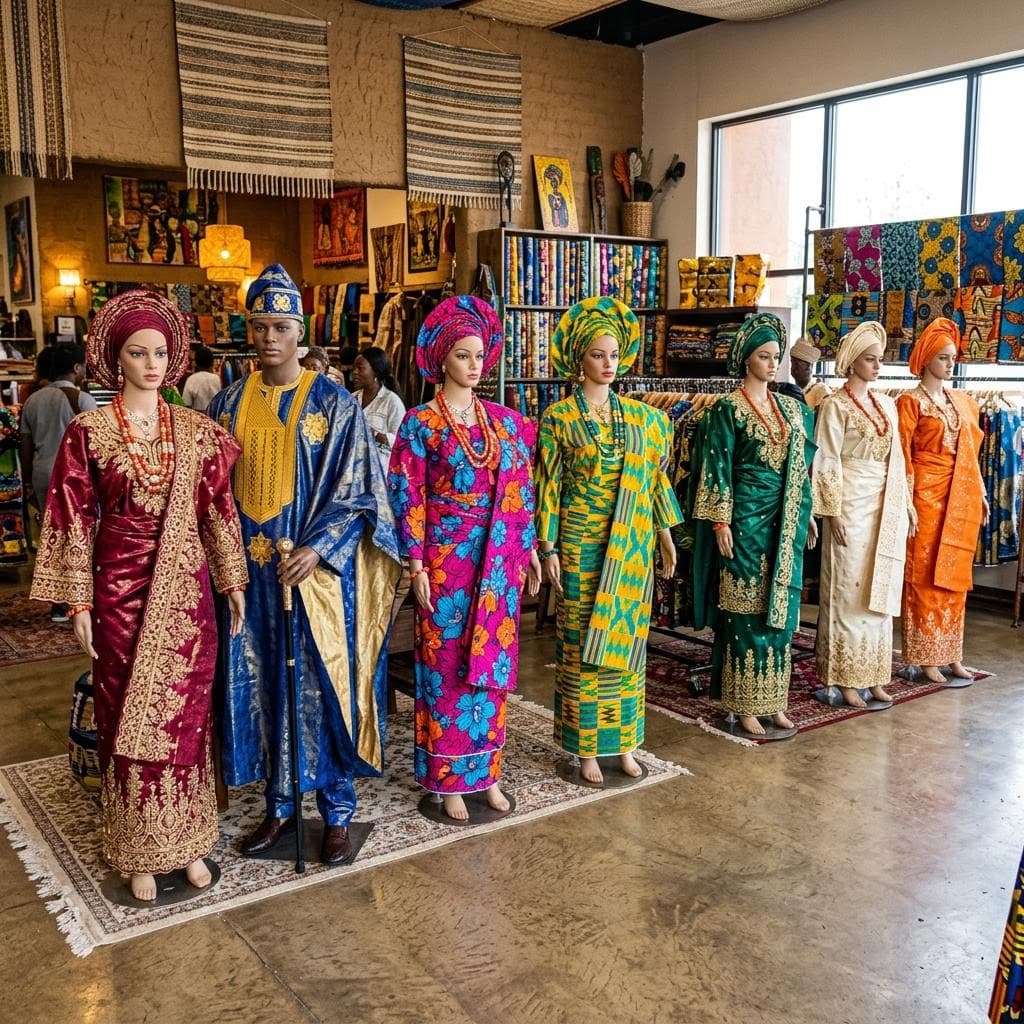
African wedding attire: pagne, bazin, kente and tips for choosing
Pagne, bazin, kente or aso oke: discover how to choose the bride and groom's outfits and coordinate families for an African wedding.