
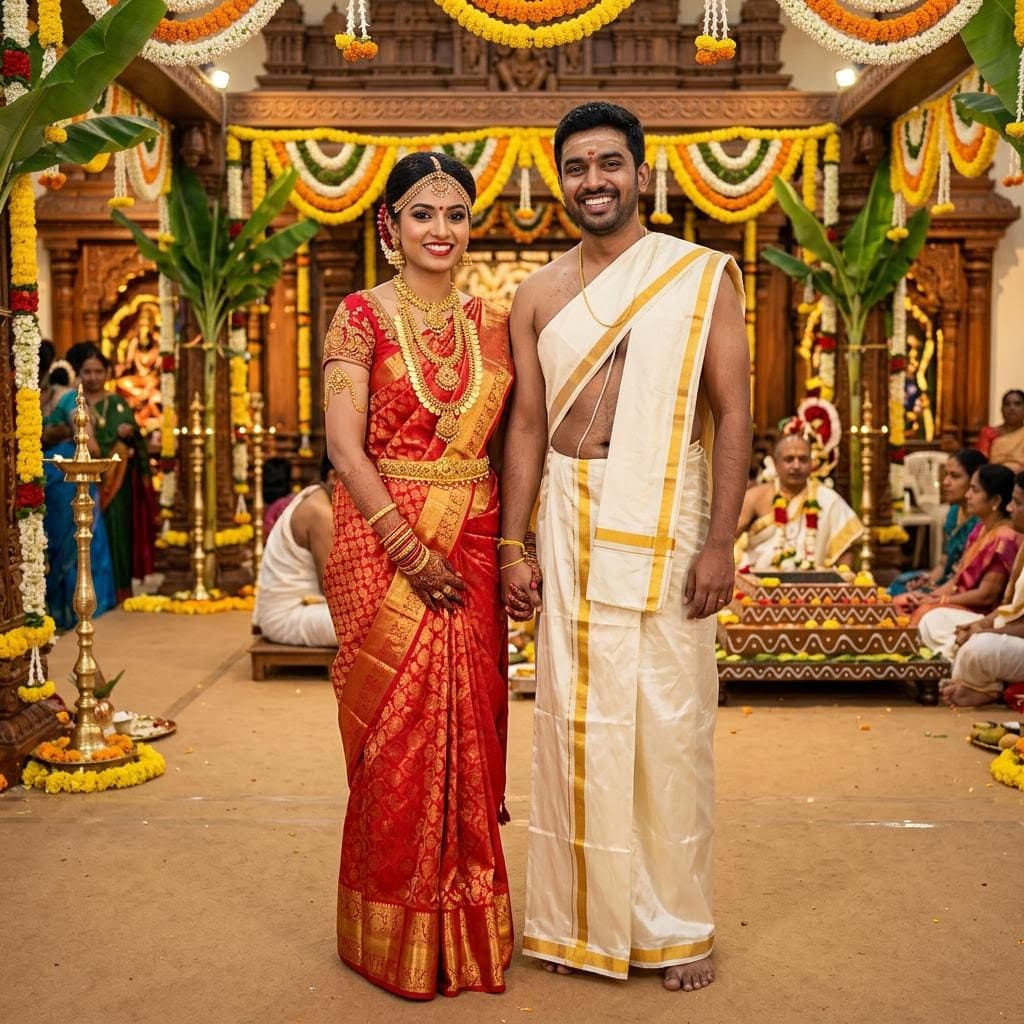
Tamil wedding outfits: sari, Veshti, jewelry and accessories
Outfits hold a particularly important place in a Tamil Hindu wedding.
The bride's sari, the groom's Veshti, the jewelry, the flowers and the various accessories all contribute fully to the ceremony's visual identity.
But between family traditions, outfit changes and the many accessories to prepare, it's better to anticipate several months before the wedding.
Choices can vary depending on families, communities, regions of origin and the style desired by the couple.
What should a Tamil bride wear?
The sari is one of the most emblematic outfits worn at Tamil weddings.
For a traditional ceremony, many brides choose a silk sari.
Silk saris from Kanchipuram, originating from Tamil Nadu, are particularly appreciated for weddings and large celebrations.
The final choice remains entirely personal, however.
A bride may favor:
- a very traditional sari;
- a silk sari;
- an outfit in her family's colors;
- a more contemporary creation;
- several outfits for the different moments of the day.
Should you plan for several saris?
Depending on the course of the ceremony and family traditions, the bride may be required to change her sari during the day.
This is not, however, a rule that applies to all weddings.
Before buying your outfits, ask your family and the priest if different changes are planned during the ceremony.
This makes it possible to know exactly how many saris will be necessary.
Example organization
A bride may possibly plan:
- ☐ An outfit for the start of the ceremony
- ☐ A sari for the main religious rituals
- ☐ A different outfit for the reception
- ☐ A more comfortable outfit for the evening
This organization depends entirely on the wedding planned.
How to choose the color of the sari?
There is no single mandatory color for all Tamil weddings.
Red, burgundy, green, pink, orange, gold or various color combinations can be chosen.
The most important thing is to take into account:
- family traditions;
- the bride's preferences;
- the wedding decoration;
- the jewelry;
- the flowers;
- the groom's outfit.
To obtain beautiful photos, it can be interesting to harmonize certain colors without necessarily choosing exactly the same shades.
The sari blouse
The blouse is an integral part of the outfit.
It should ideally be prepared early enough to allow for necessary alterations.
Before the wedding, check:
- ☐ Measurements
- ☐ Comfort
- ☐ Sleeve length
- ☐ Any embroidery
- ☐ The closure
- ☐ Compatibility with the jewelry
- ☐ The look with the sari
Avoid doing the final alterations only a few days before the wedding.
The bride's jewelry
Jewelry generally occupies a very important place in the bride's look.
Depending on tastes and family traditions, the outfit can notably be completed by:
- necklaces;
- earrings;
- bracelets;
- hair jewelry;
- waist jewelry;
- traditional accessories.
The Thali must naturally be prepared separately since it plays a special role during the religious ceremony.
To learn more: Discover the meaning of the Thali in a Tamil wedding
Flowers in the hairstyle
Flowers are also part of many Tamil brides' outfits.
They can be integrated directly into the hairstyle, notably around a braid or a bun.
Jasmine is often associated with traditional hairstyles of South India, but the choice depends on the desired style and the florist's availability.
When you order your flowers, remember to specify:
- ☐ The type of hairstyle
- ☐ The quantity needed
- ☐ The desired color
- ☐ The delivery time
- ☐ The person in charge of installing them
Makeup and hair
A traditional outfit often requires fairly long preparation.
You need to allow time for:
- makeup;
- hair;
- the flowers;
- the sari;
- the jewelry;
- the accessories.
If several outfit changes are planned, inform the makeup artist and the hairdresser when booking.
To prepare the beauty routine: Makeup and hair for a Tamil bride: how to prepare for the big day?
What should the groom wear?
The Veshti is a traditional male garment widely worn in Tamil culture.
It is a piece of cloth worn around the waist and legs.
For a wedding, it can notably be paired with a shirt or a traditional top.
The style can be very sober or, on the contrary, more elaborate depending on the groom's preferences.
How to coordinate the bride and groom?
The couple are not obliged to wear exactly the same colors.
They can nevertheless create harmony through certain details.
For example:
- Veshti border matched to the sari;
- shirt recalling a color from the sari;
- golden accessories;
- matching flowers;
- complementary colors.
The result will generally be more elegant than an ensemble where each element has exactly the same color.
To harmonize outfits and decor: Tamil wedding decoration: Mandap, flowers and inspirations
Should the Veshti be prepared before the ceremony?
Yes.
If the groom is not used to wearing a Veshti, it is preferable to do a trial before the wedding.
You should notably check:
- ☐ The length
- ☐ How to wear it
- ☐ Comfort
- ☐ How it behaves when moving
- ☐ The chosen shoes
- ☐ Any accessories
The wedding day is not the best time to discover how to wear your outfit.
Plan a second outfit for the reception
After the religious ceremony, some couples choose to change outfits for the reception.
They can keep a traditional style or choose a different outfit for the evening.
For the bride
- another sari;
- lehenga;
- reception dress;
- Indo-western outfit.
For the groom
- suit;
- different traditional outfit;
- kurta;
- reception outfit.
This change is entirely optional.
When to buy the wedding outfits?
It is preferable to start early enough.
For an outfit requiring alterations or custom tailoring, several weeks may be necessary.
A possible schedule:
6 to 9 months before
Begin research and define the desired style.
4 to 6 months before
Buy or order the main outfits.
2 to 3 months before
Do the first alterations.
1 month before
Try the complete set with jewelry and accessories.
One week before
Prepare each outfit separately with all its accessories.
Do a full fitting before the wedding
A few weeks before the big day, do at least one full fitting.
For the bride:
- ☐ Sari
- ☐ Blouse
- ☐ Petticoat
- ☐ Jewelry
- ☐ Shoes
- ☐ Accessories
- ☐ Hair elements
For the groom:
- ☐ Veshti
- ☐ Top or shirt
- ☐ Shoes
- ☐ Accessories
This allows you to immediately spot any missing item.
Prepare outfit changes
If several changes are planned, prepare each outfit as a separate set.
For example:
Outfit 1 – ceremony
All clothes, jewelry and accessories needed together.
Outfit 2 – reception
Same principle.
You can also designate a trusted person responsible for helping the couple quickly find their belongings.
Think about the wedding schedule
Outfit changes must be integrated into the schedule.
A change that seems to take 10 minutes can ultimately take much longer with:
- the sari;
- the jewelry;
- the hairstyle;
- the makeup;
- the photos.
You therefore need to allow enough margin so as not to delay the rest of the ceremony.
The timing can be particularly important when a Muhurtham must be respected.
To learn more: Muhurtham in a Tamil wedding: how to choose the date and time of the ceremony?
Tamil wedding outfit checklist
Bride
- ☐ Main sari
- ☐ Second sari if necessary
- ☐ Reception outfit
- ☐ Blouses
- ☐ Petticoats
- ☐ Jewelry
- ☐ Thali
- ☐ Bracelets
- ☐ Hair accessories
- ☐ Flowers
- ☐ Shoes
- ☐ Makeup
- ☐ Hair
Groom
- ☐ Veshti
- ☐ Shirt or traditional top
- ☐ Second outfit if necessary
- ☐ Shoes
- ☐ Accessories
To prepare together
- ☐ Full fitting
- ☐ Alterations completed
- ☐ Schedule for outfit changes
- ☐ Person assigned to help the couple
- ☐ Outfits prepared and separated the day before
Prepare your entire Tamil wedding
Outfits are only part of the preparations.
You must also organize the religious ceremony, the venue, the caterer, the decoration, the photographer and the different traditional moments.
To go further:
- Prepare a Tamil wedding: the checklist to not forget anything
- Tamil Hindu wedding: traditions and the course of the ceremony
Find vendors for your wedding
To prepare the outfits and your entire event, you may need many professionals: makeup artist, hairdresser, florist, photographer, videographer, decorator or wedding planner.
On DreamWeds, search for professionals suited to your wedding and prepare your event more easily.
DreamWeds
Find your dream vendors
Photographers, caterers, venues and much more — compare up to 4 vendors side by side.
Find vendors for my weddingArticles on the same topic
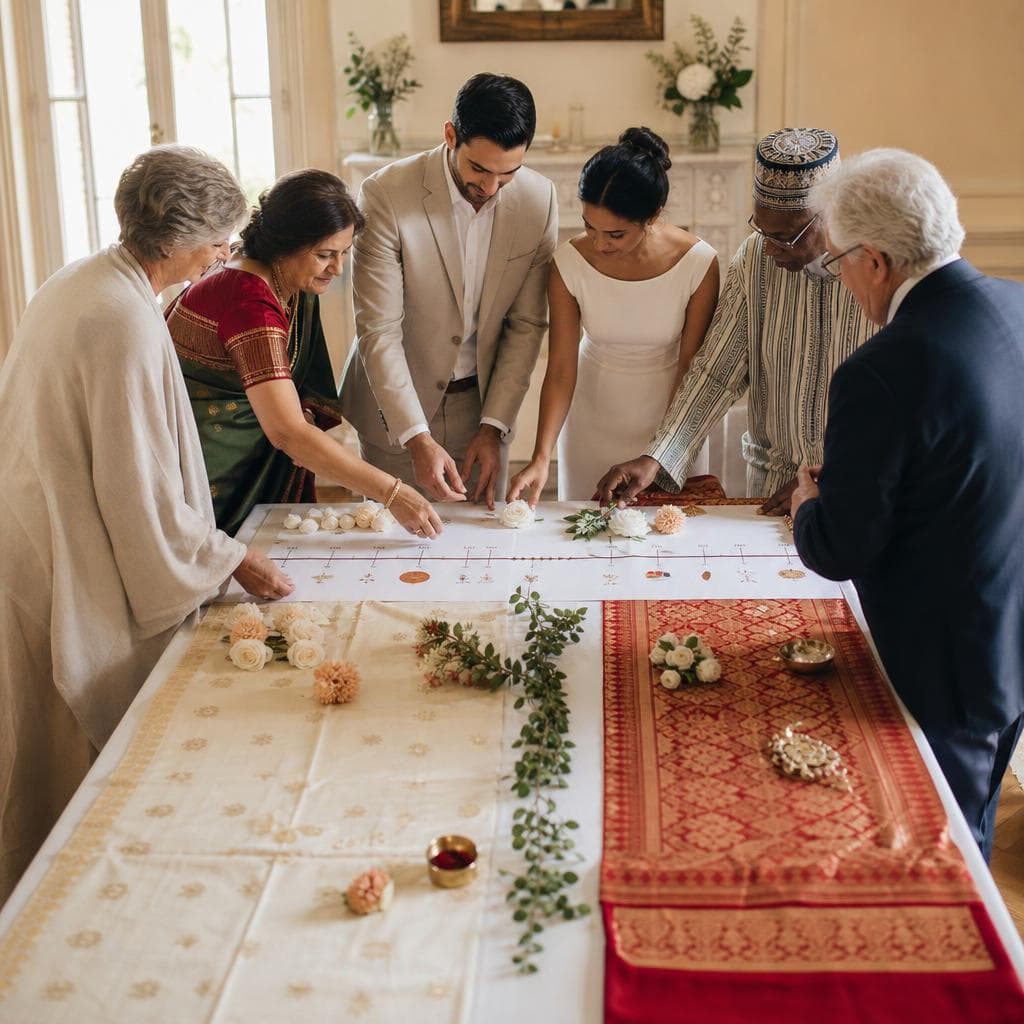
Organizing a Multicultural Wedding: Practical Tips
Blending two traditions, addressing guests from different cultures, and creating a ceremony that is meaningful for both families.
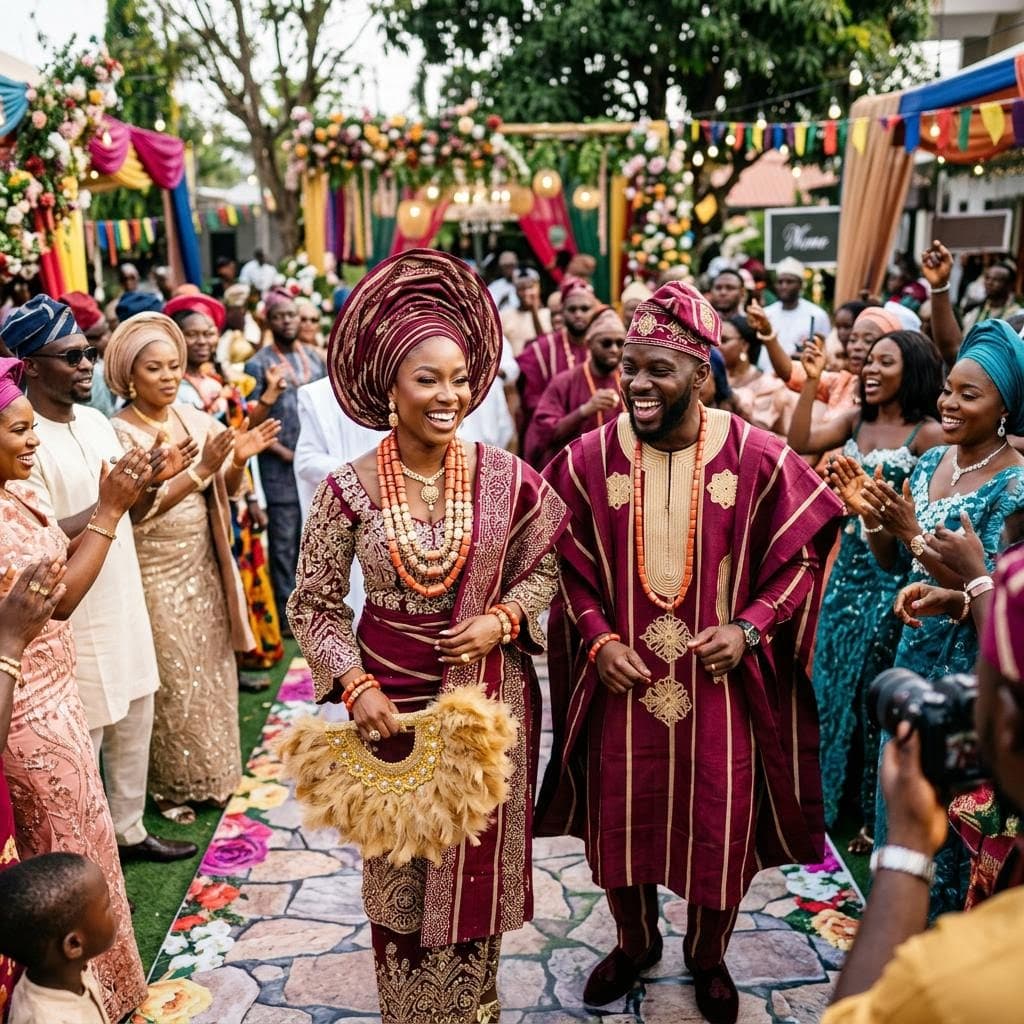
Nigerian wedding: Yoruba, Igbo and Hausa traditions
Discover Nigerian wedding traditions: Yoruba, Igbo and Hausa ceremonies, outfits, aso ebi, food, music and organization.
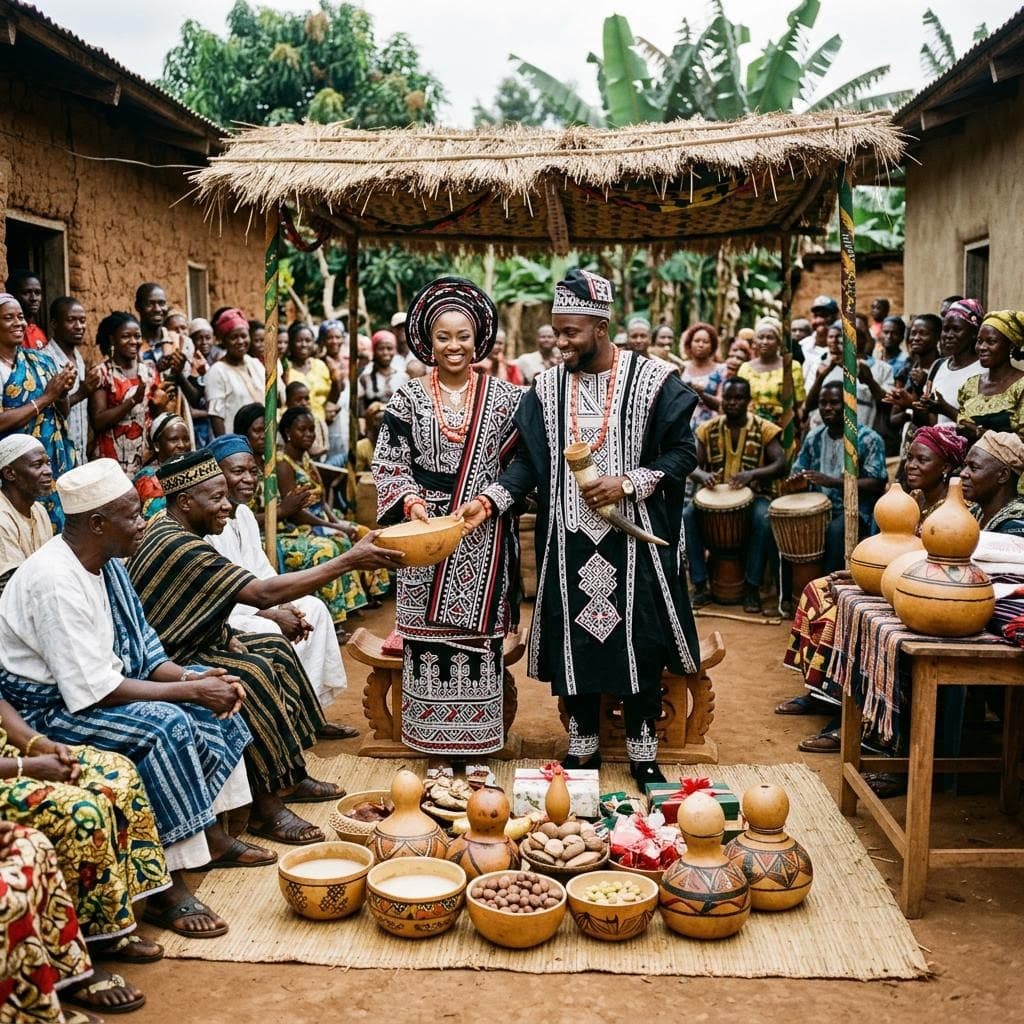
Cameroonian wedding: traditions, dowry, outfits and timeline
Discover the traditions of a Cameroonian wedding: meeting of the families, dowry ceremony, outfits, meal, music and organization.