
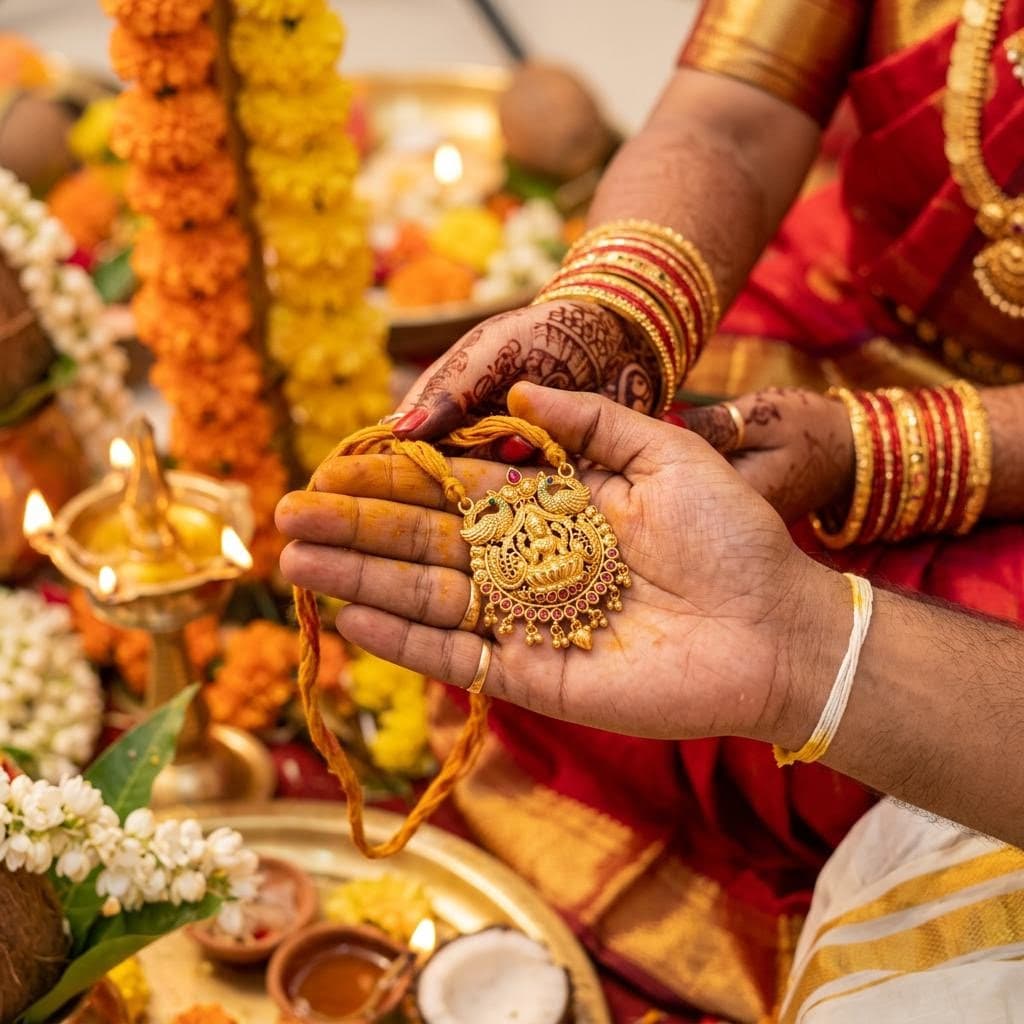
The Thali in a Tamil wedding: meaning and tradition
Among all the moments of a Tamil Hindu wedding, the ceremony of the Thali is certainly one of the most anticipated and most symbolic.
When the groom ties the Thali around the bride's neck, the couple's union is officially marked in the traditional ceremony.
But what exactly is a Thali and what should be prepared before the wedding?
What is the Thali?
The Thali, also written Thaali, is a traditional piece of jewelry worn around the bride's neck after the wedding ceremony.
Its shape can vary according to families, communities and their traditions.
It should therefore not be assumed that there is a single Thali design for all Tamil weddings.
Some families have their own habits regarding:
- the pendant;
- the chain or cord used;
- the symbols present;
- its preparation before the ceremony.
What does the Thali represent?
The Thali represents the marital union and is a particularly important symbol of marriage in many Tamil Hindu families.
The moment when it is tied around the bride's neck is generally one of the most solemn moments of the ceremony.
Relatives gather around the couple and the moment can be accompanied by traditional music and flowers.
When is the Thali tied?
The Thali is generally tied at a specific moment of the ceremony, often organized around the Muhurtham.
That is why coordination between the priest, the couple and the vendors is particularly important.
The photographer and videographer must in particular know the scheduled time so as not to miss this moment.
To better situate this moment in the day: Understanding the course of a Tamil Hindu wedding
How to prepare the Thali before the wedding?
The preparation should be discussed with the families and the priest.
Depending on the tradition followed, it may be necessary to provide different elements for the ceremony.
A few weeks before the wedding, the engaged couple can check:
- that the Thali is ready;
- that the planned chain or cord is available;
- who should keep it before the ceremony;
- when it must be given to the priest;
- the exact time of the ritual.
This preparation helps avoid last-minute searches on the wedding day.
An important moment for the photographer and videographer
The Thali ceremony lasts only a few moments.
It must therefore be clearly identified in the schedule given to the photographer and the videographer.
A professional experienced with Tamil weddings will be better able to anticipate the important moments of the ceremony.
To prepare the photo and video coverage: Photographer and videographer for a Tamil wedding: moments not to miss
For the engaged couple, it can be useful to give the provider a small timeline mentioning in particular:
- the bride's entrance;
- the exchange of the Maalai;
- the Oonjal when it is planned;
- the Thali;
- the blessings;
- the photos with the families.
Traditions can vary
As with many elements of a Tamil wedding, practices around the Thali can differ according to families and communities.
For any questions concerning the religious proceedings, the engaged couple should therefore prioritize the guidance of their family and the priest in charge of conducting the wedding.
Prepare the other elements of the wedding
The Thali is only one part of the many preparations for a Tamil wedding.
Venue, decoration, flowers, caterer, outfits, photographer, videographer and music must also be organized.
To forget nothing: Complete checklist to prepare a Tamil wedding
DreamWeds
Find your dream vendors
Photographers, caterers, venues and much more — compare up to 4 vendors side by side.
Find vendors for my weddingArticles on the same topic
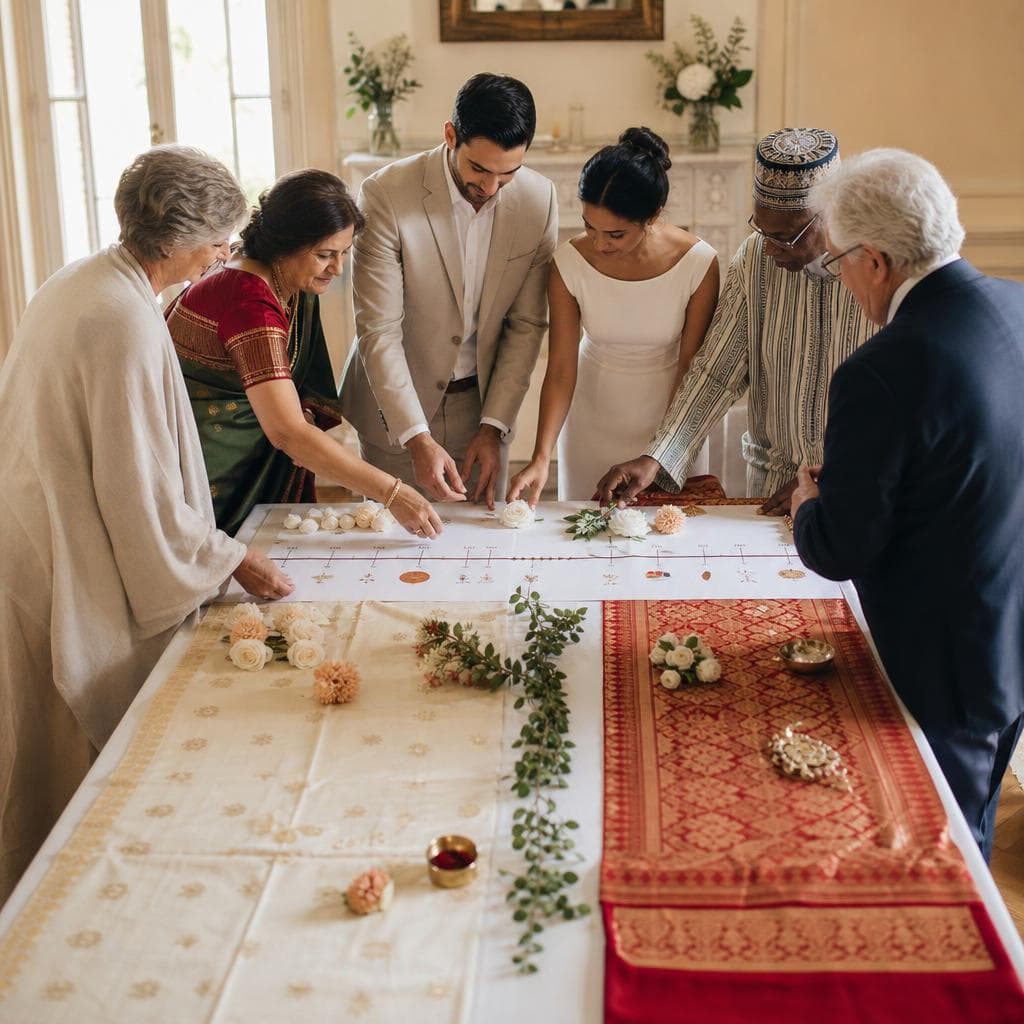
Organizing a Multicultural Wedding: Practical Tips
Blending two traditions, addressing guests from different cultures, and creating a ceremony that is meaningful for both families.
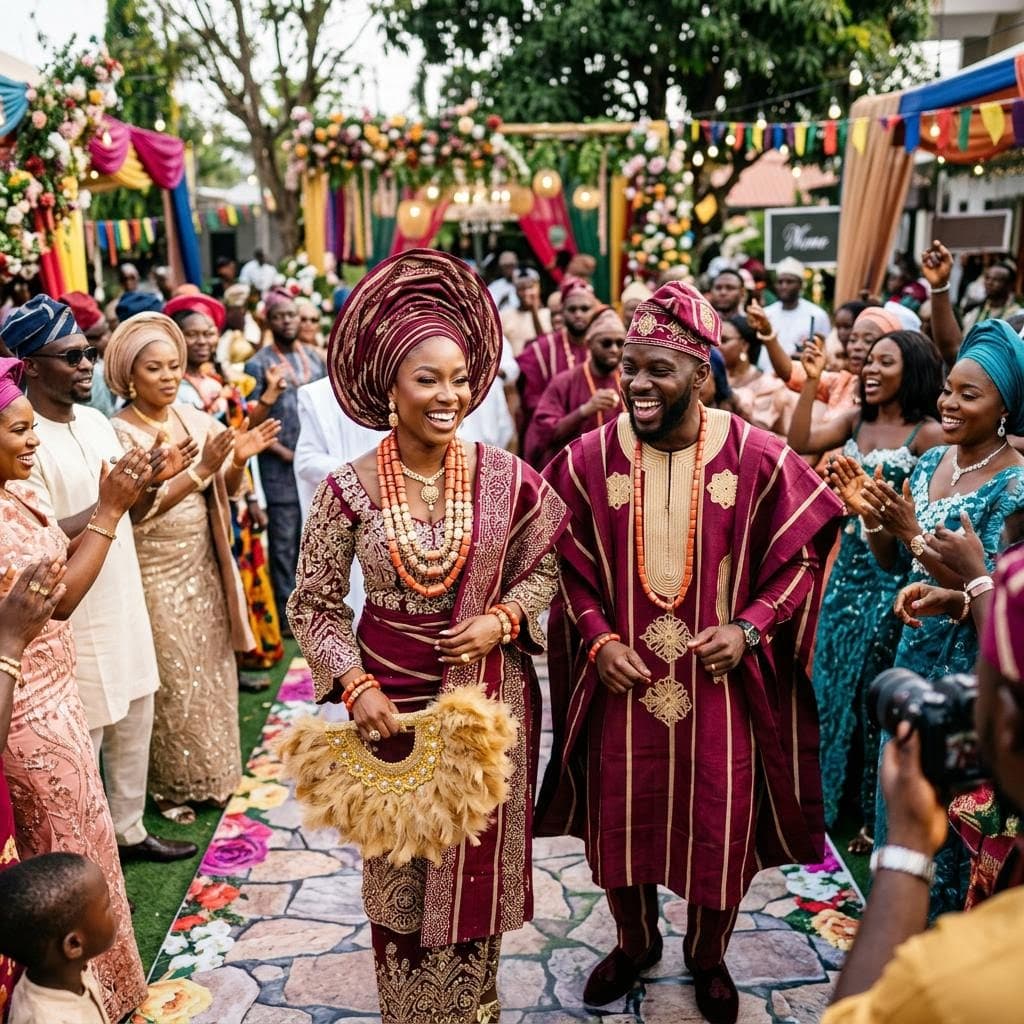
Nigerian wedding: Yoruba, Igbo and Hausa traditions
Discover Nigerian wedding traditions: Yoruba, Igbo and Hausa ceremonies, outfits, aso ebi, food, music and organization.
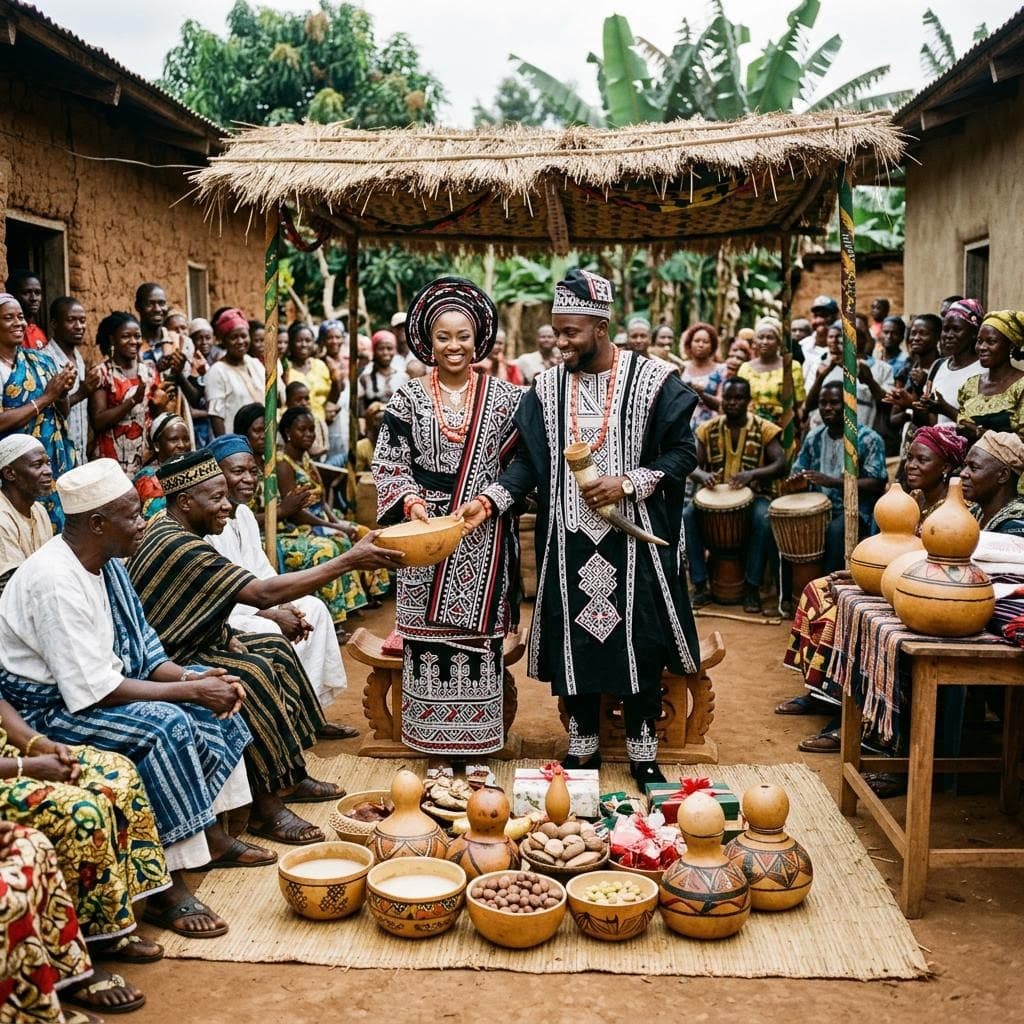
Cameroonian wedding: traditions, dowry, outfits and timeline
Discover the traditions of a Cameroonian wedding: meeting of the families, dowry ceremony, outfits, meal, music and organization.